Du vil måske også synes om


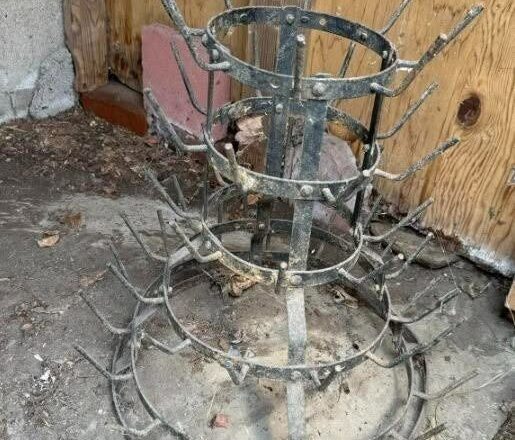
Every now and then, an unusual kitchen tool appears online and leaves thousands of people wondering the same thing: What exactly is it, and how is it supposed to be used?
At first glance, some kitchen gadgets look like ordinary utensils, while others have strange shapes, unfamiliar mechanisms, or designs that seem almost impossible to understand. A small metal object tucked away in a drawer can turn out to have a surprisingly practical purpose, especially when it comes from an earlier generation of home cooking.
The fascination with mysterious kitchen tools reflects something bigger than simple curiosity. It highlights how cooking technology has changed over time and how many useful inventions have gradually disappeared from modern kitchens.
Why Do Unusual Kitchen Tools Attract So Much Attention?
The internet has made it easier than ever to share photographs of unfamiliar household objects. When someone discovers an unusual utensil at a flea market, in an inherited kitchen, or at the back of a cupboard, a single photograph can spark thousands of guesses.
Some people recognize the object immediately. Others suggest completely different uses, turning the discussion into a collective guessing game.
Part of the appeal comes from the fact that kitchen tools are designed to solve very specific problems. An object that looks confusing today may have been essential to preparing a particular dish decades ago.
Before electric appliances became common, many cooking tasks required specialized manual tools. There were separate gadgets for peeling, slicing, shaping, grinding, separating, and preparing ingredients. Some of these designs remain familiar, while others have become uncommon.
The Forgotten Gadgets of Traditional Kitchens
Older kitchens often contained tools that modern households rarely use.
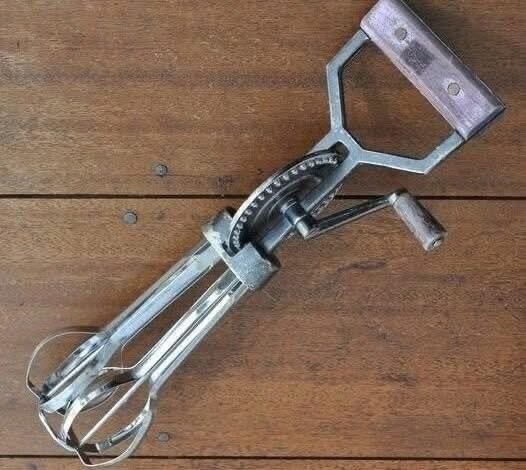
A hand-operated egg beater, for example, performed a task that many people now accomplish with an electric mixer. A mechanical apple peeler could remove the skin from fruit while turning it into thin spirals. Other utensils were designed to remove pits, shape pastry, separate egg whites, or cut vegetables into uniform pieces.
These tools were not necessarily complicated inventions. Their value came from solving a repetitive task more quickly or consistently.
Many were also built from durable materials such as stainless steel, cast iron, wood, or aluminum. As a result, old kitchen gadgets can remain functional long after the products originally sold alongside them have disappeared.
Today, collectors and cooking enthusiasts often appreciate these objects for both their usefulness and their craftsmanship.
How to Identify a Mysterious Kitchen Utensil
If you discover an unfamiliar kitchen object, a few simple observations can help narrow down its possible purpose.
1. Examine its shape. Look for blades, hooks, holes, handles, springs, or rotating parts. Each feature may indicate a specific function.
2. Consider the material. Wooden handles and heavy metal construction may suggest an older utensil, although modern tools can use similar materials.
3. Look for moving components. Hinges, gears, and rotating handles often reveal that an object was designed to perform a repetitive task.
4. Check for markings. Manufacturer names, patent numbers, and stamped symbols can help identify the product or estimate its age.
5. Compare photographs. Searching for similar objects can help you find product descriptions, historical advertisements, or instructions from the manufacturer.
If the object has a sharp edge, unusual chemical residue, or an unfamiliar electrical component, avoid using it until its purpose and condition are understood.
Why Older Kitchen Gadgets Can Still Be Useful
Although modern appliances offer convenience, traditional kitchen tools can have advantages of their own.
Manual gadgets do not usually require electricity, and many are easy to clean and store. Some also provide greater control over small tasks, such as shaping dough or preparing delicate ingredients.
For people who enjoy cooking from scratch, using an older utensil can also create a connection with traditional food preparation. A simple tool may reveal how families prepared everyday meals before modern appliances became widespread.
However, age alone does not make a gadget better. Rust, damaged handles, worn mechanisms, and difficult-to-clean joints can make an old utensil unsuitable for food preparation.
Before using a vintage tool, check that its materials are food-safe, its components are intact, and it can be cleaned thoroughly.
The Lasting Appeal of Kitchen Mysteries
The popularity of mysterious kitchen gadgets shows that ordinary household objects can hold unexpected stories. A tool that appears useless to one person may be instantly recognizable to someone who grew up using it.
These discoveries also remind us that practical inventions are often shaped by the needs of their time. As cooking habits change, certain tools disappear, even when the problems they were designed to solve still exist.
So, what was the mysterious kitchen tool that fascinated the internet? The available title alone does not identify the specific object, and guessing would risk giving you the wrong answer. A photograph or a description of its shape would make it possible to investigate the actual gadget and explain its original purpose, how it worked, and whether it is still useful today.