Baking soda is one of the most versatile household products available. Found in kitchens, cleaning cupboards, and sometimes medicine cabinets, this inexpensive white powder has a wide range of practical applications. From helping baked goods rise to neutralizing unpleasant odors, it has earned a reputation as a simple solution for everyday problems.
Du vil måske også synes om


However, not every popular use is safe or effective. Baking soda, also known as sodium bicarbonate, is a chemical compound that can affect the body’s acid-base balance when swallowed in excessive amounts. Understanding how to use it properly can help you benefit from its practical applications while avoiding unnecessary risks.
Whether you use baking soda for cooking, cleaning, or occasional household maintenance, here is what you should know.
What Is Baking Soda?
Baking soda is a white, crystalline powder made from sodium bicarbonate. When it comes into contact with an acid and moisture, it releases carbon dioxide gas. This reaction helps baked goods such as cakes, muffins, and quick breads rise.
Its mildly alkaline properties also make it useful for certain cleaning tasks and odor-control applications.
Although baking soda and baking powder are often confused, they are not interchangeable in every recipe. Baking powder contains an acid component and is formulated to produce the gas needed for baking, while baking soda generally requires an acidic ingredient to react effectively.
1. Baking Soda in the Kitchen
One of the most familiar uses of baking soda is baking. It reacts with ingredients such as yogurt, buttermilk, lemon juice, or vinegar to create carbon dioxide bubbles that help batter expand.
For the best results, measure it carefully and follow the recipe. Too much baking soda can leave baked goods with a bitter or soapy taste and may affect their color and texture.
Baking soda can also help remove certain food residues from cookware. A paste made with a little water may loosen some stubborn deposits, although abrasive scrubbing should be avoided on delicate surfaces.
Always check the manufacturer’s cleaning instructions before using it on nonstick coatings, polished metals, or specialty finishes.
2. Cleaning and Removing Household Odors
Baking soda is commonly used to manage unpleasant smells in refrigerators, waste bins, and other household spaces.
Placing an open container of baking soda in a refrigerator may help reduce some odors. For a stronger result, identify and remove the source of the smell, clean the affected area, and allow it to dry thoroughly.
For certain washable surfaces, a small amount of baking soda mixed with water can help lift residue. However, it is not a universal disinfectant and should not replace an appropriate disinfecting product when germs are a concern.
Avoid mixing baking soda with household cleaners unless the product labels specifically permit it. In particular, never mix cleaning products containing bleach with acids such as vinegar, as this can release dangerous chlorine gas.
3. Can Baking Soda Relieve Heartburn?
Sodium bicarbonate is an antacid that can temporarily neutralize stomach acid. Some products containing it are approved for occasional relief of heartburn or acid indigestion.
However, using ordinary kitchen baking soda as a home remedy requires caution. It contains a substantial amount of sodium, and excessive intake can cause serious complications, including metabolic alkalosis, which occurs when the blood becomes excessively alkaline.
Baking soda should not be used regularly to manage persistent digestive symptoms without medical advice. Frequent heartburn may require evaluation to identify the underlying cause.
People with high blood pressure, kidney disease, heart failure, or a sodium-restricted diet should be particularly cautious. Baking soda may also interact with certain medications or affect their absorption.
If you are considering it for a medical purpose, ask a healthcare professional or pharmacist about an appropriate product and safe use.
4. Is Baking Soda Good for Teeth?
Some toothpaste formulations contain baking soda because its mild abrasive properties can help remove surface stains and plaque when used as directed.
However, brushing directly with household baking soda is not necessarily a substitute for a fluoride toothpaste. Fluoride helps protect teeth against decay, while baking soda alone does not provide the same protection.
Avoid aggressive brushing or using abrasive mixtures that could irritate your gums. If you have sensitive teeth, gum problems, or concerns about whitening, consult your dentist for advice tailored to your needs.
5. Using Baking Soda for Skin Care
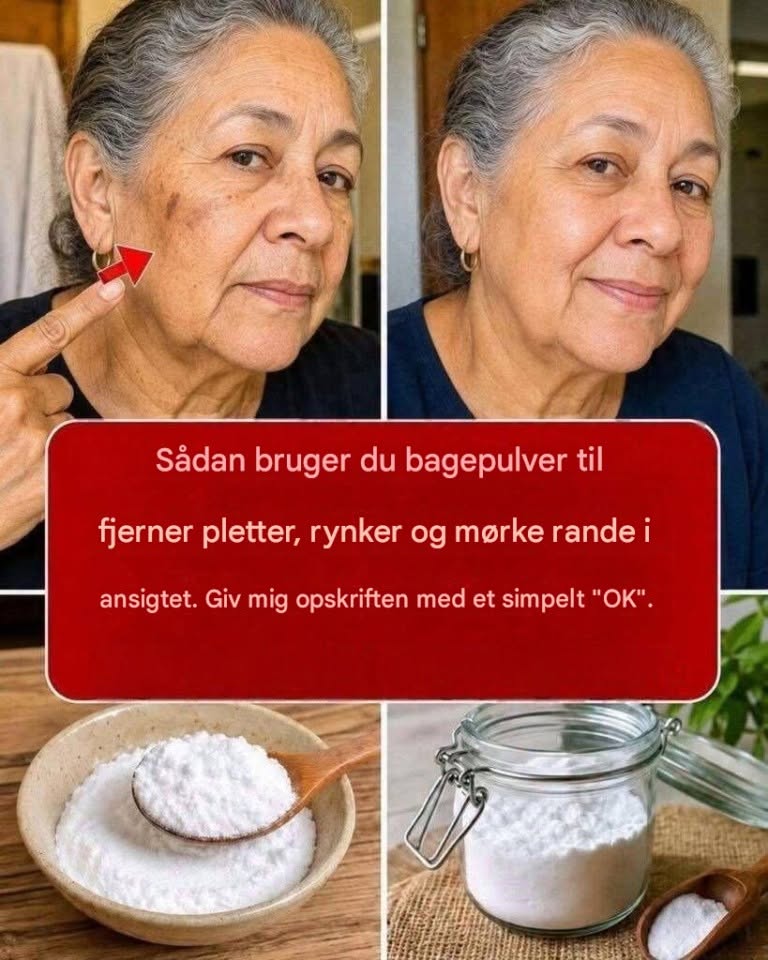
Online recommendations sometimes suggest baking soda as a treatment for acne, itching, or skin irritation. These uses are not well established, and applying it to the skin can cause problems.
Healthy skin has a naturally acidic surface that helps support its protective barrier. Baking soda is alkaline and may disrupt that barrier, particularly when applied repeatedly or left on the skin for extended periods.
Possible effects include dryness, irritation, redness, and worsening sensitivity.
For routine skin care, choose products formulated for your skin type. If you have a persistent rash, acne, or unexplained itching, seek advice from a qualified healthcare professional rather than relying on unproven home remedies.
6. Important Safety Precautions
Although baking soda is widely available, swallowing large amounts can be dangerous. Excessive sodium bicarbonate intake may cause nausea, vomiting, abdominal discomfort, electrolyte disturbances, and serious changes in the body’s acid-base balance.
Children are particularly vulnerable to accidental ingestion. Keep baking soda and other household products in their original containers, clearly labeled and out of children’s reach.
People with kidney problems or conditions affected by sodium intake should not use baking soda as a supplement or home remedy without professional guidance.
If someone swallows a large quantity, particularly a child, contact a poison control center or seek urgent medical advice. Do not induce vomiting unless a medical professional specifically instructs you to do so.
7. How to Store Baking Soda Properly
Store baking soda in a cool, dry place, away from moisture and strong-smelling substances. Keep the container tightly closed to prevent contamination and preserve its usefulness.
If you use it for cleaning, consider keeping it separate from the baking ingredients used for food preparation. Always use clean utensils and avoid transferring cleaning products into food containers.
For baking, you can test whether baking soda is still active by adding a small amount to vinegar. Noticeable bubbling indicates that it is reacting, although following the product’s storage instructions and expiration guidance is the better everyday practice.
Conclusion
Baking soda is an affordable and useful household product with applications in cooking, cleaning, and certain approved medical preparations. Its effectiveness, however, depends on how it is used.
Use it in recipes according to their measurements, apply it cautiously to suitable household surfaces, and avoid assuming that every online health remedy is safe. In particular, swallowing baking soda for heartburn or other medical concerns should not be treated as harmless simply because the product is familiar.
With sensible precautions and an understanding of its limitations, baking soda can remain a valuable part of your household routine without unnecessary risks.