Du vil måske også synes om


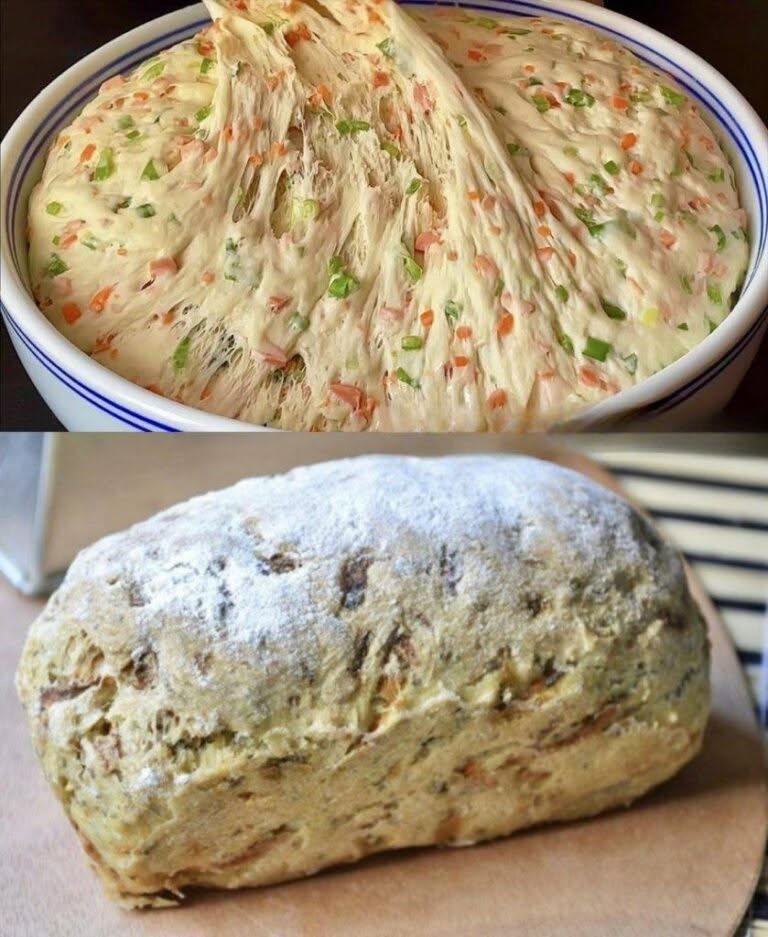
Homemade bread can be a delicious way to bring more whole-food ingredients into your everyday meals. This spelt and vegetable bread combines the nutty flavor of spelt flour with buckwheat flour, soy flour, fresh vegetables, olive oil, and crunchy pumpkin seeds. The result is a rustic loaf that works well for breakfast, lunch, or a light dinner.
Unlike many packaged breads, making your own loaf allows you to control the ingredients, seasonings, and amount of added salt and sugar. While no single bread is suitable for every diet, this recipe offers a flavorful option for people looking to add variety to their homemade baking.
Why Make Your Own Vegetable Bread?
Homemade bread offers several practical advantages. You can choose the flour, adjust the seasonings, and incorporate vegetables that might otherwise go unused in your refrigerator.
Spelt flour provides carbohydrates, protein, and nutrients, while buckwheat flour adds a distinctive earthy flavor. Soy flour contributes additional plant-based protein, and pumpkin seeds provide healthy unsaturated fats and a satisfying crunch.
Carrots and zucchini help bring moisture and flavor to the loaf. Combined with herbs and spices, they create a savory bread that pairs well with a wide range of meals.
It is worth noting that spelt contains gluten, so this recipe is not suitable for people with celiac disease or those who need to avoid gluten.
Ingredients for Homemade Spelt and Vegetable Bread
This recipe uses simple ingredients that are available at many grocery stores.
-
220 g spelt flour
-
40 g buckwheat flour
-
30 g soy flour
-
1 tablespoon dry yeast
-
170 ml lukewarm water
-
1 teaspoon honey
-
½ teaspoon salt
-
½ teaspoon ground coriander
-
A pinch of ground nutmeg
-
2 tablespoons olive oil
-
2 tablespoons chopped pumpkin seeds
-
1 tablespoon finely chopped fresh herbs
-
1 medium carrot
-
1 small zucchini
-
1 shallot
-
3 tablespoons rolled oats
-
1 additional tablespoon oil for cooking the vegetables
Fresh parsley, thyme, or chives work particularly well as the herbs. You can also adjust the spices according to your preferences.
How to Prepare the Bread
Step 1: Prepare the Vegetables
Wash the zucchini and carrot thoroughly. Peel the carrot if desired, then finely grate both vegetables.
Peel and finely chop the shallot. Heat one tablespoon of oil in a skillet over medium heat, then add the shallot, grated carrot, and zucchini.
Cook the mixture for several minutes until the vegetables soften and some of their moisture evaporates. Stir in the rolled oats and set the mixture aside to cool slightly.
Removing excess moisture helps prevent the finished bread from becoming too wet inside.
Step 2: Prepare the Dough
In a large mixing bowl, combine the spelt flour, buckwheat flour, soy flour, salt, coriander, and nutmeg.
In a separate container, mix the lukewarm water, honey, and yeast. Let the mixture stand for approximately five to ten minutes, or according to the yeast package instructions.
Add the yeast mixture and olive oil to the dry ingredients. Stir until a rough dough forms.
Fold in the cooked vegetables, chopped pumpkin seeds, and fresh herbs. Knead the dough until the ingredients are evenly distributed. Because the vegetables add moisture, the dough may feel slightly softer than traditional bread dough.
If necessary, add a small amount of flour or water to achieve a workable consistency.
Step 3: Let the Dough Rise
Cover the bowl with a clean kitchen towel and leave it in a warm, draft-free place for approximately 45–60 minutes, or until the dough has visibly expanded.
The rising time will depend on the room temperature, yeast activity, and moisture content of the dough.
Step 4: Shape and Bake
Preheat the oven to 375°F (190°C).
Transfer the dough to a lightly greased loaf pan or shape it into a small rustic loaf on a parchment-lined baking sheet.
Sprinkle a few additional pumpkin seeds or rolled oats over the top if desired.
Bake for approximately 35–45 minutes, checking toward the end of the baking time. The loaf should be firm and golden, and the center should be fully cooked. If you use a food thermometer, check that the internal temperature has reached approximately 200–205°F (93–96°C).
Allow the bread to cool before slicing. This helps the crumb set and makes the loaf easier to cut.
Delicious Ways to Serve Your Bread
This savory vegetable bread is versatile enough for several meals.
For breakfast, serve a slice with scrambled eggs or plain Greek yogurt on the side. At lunchtime, pair it with vegetable soup, a fresh salad, or sliced turkey. For a simple snack, try it with hummus, cottage cheese, or mashed avocado.
You can also toast leftover slices to bring out the nutty flavor of the grains and pumpkin seeds.
Storage Tips for Freshness
Allow the loaf to cool completely before storing it. Keep it in an airtight container at room temperature for a short period, or refrigerate it if the moist vegetable content makes longer storage necessary.
For longer storage, slice the bread and freeze individual portions in a freezer-safe bag. Frozen slices can be reheated directly in a toaster or allowed to thaw before serving.
Because homemade bread contains no commercial preservatives, check for signs of spoilage and discard it if you notice mold or an unusual smell.
Is This Bread Suitable for Every Diet?
Although this recipe uses nutritious ingredients, it is not appropriate for every dietary requirement. Spelt contains gluten, soy flour is unsuitable for people with soy allergies, and the bread contains carbohydrates that people managing blood sugar may need to account for.
Its nutritional value also depends on portion size and the rest of the meal. For a balanced diet, serve it alongside protein-rich foods and vegetables rather than relying on bread alone.
A Simple Way to Enjoy Homemade Baking
Spelt and vegetable bread offers a satisfying combination of grains, vegetables, herbs, and seeds. Its rustic texture and savory flavor make it a useful addition to everyday meals, while preparing it at home gives you greater control over the ingredients.
Whether served warm with soup or toasted with your favorite toppings, this homemade loaf is a practical way to explore flavorful baking with vegetables and whole-food ingredients.